
ECCM eBulletin
Thursday, 20/11/2025

This year, ECCM’s annual Christmas luncheon is truly extraordinary!
We are hosting a special buffet lunch at Mercure Hotel, Glenmarie to honour all our Extraordinary Pastors and Leaders.
Your faithfull service in God’s Kingdom, your tireless efforts and fervent dedication is celebrated together;
for we serve the most Extraordinary Almighty God. ✨
🎁 Come and join us 🎁
Click Here to Register📅 Date: 4 December 2025
⏰ Time: 11:00am
📍 Venue: Mercure Hotel, Glenmarie
We look forward to seeing you soon for a wonderful time of Christmas celebration and extended fellowship with all of you.
🎄❤️ Pastor Justin Segar
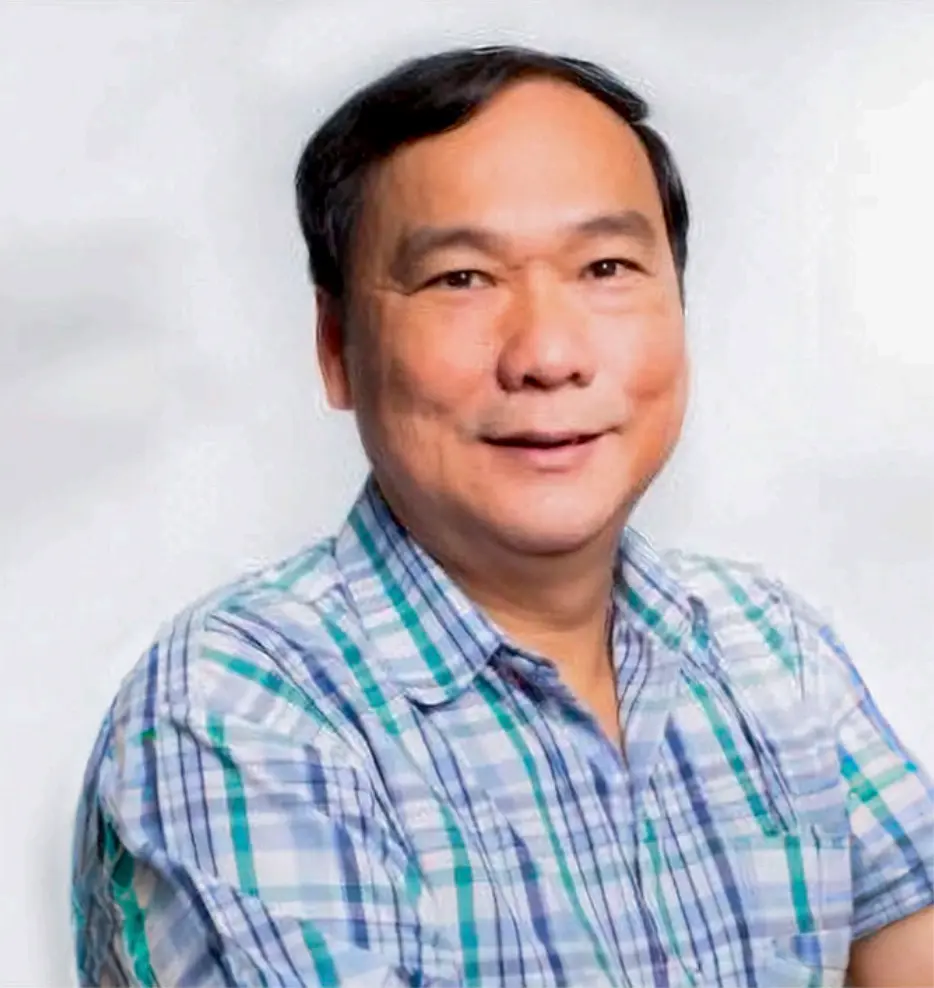
Rev. Eu Hong Seng
The man who made God regret
The ten mistakes of Saul – 1 Sam 15:10-31
As a young teenager, I didn’t quite enjoy the snakes and ladders game. You could be up there one moment and near rock bottom the next. All due to a single serpent bite. The ladders all appear to be too elusive. The game was too erratic to be fun.
In real life and the spiritual world, there are serpents amidst ladders. Because of character flaws, one can trip in the last lap of life.
The people wanted a monarch, so Saul became the “top dog”. Not because it was part of the Sovereign’s divine design. This ought to humble us. However, we have this propensity to forget how we got there once we reach the top.
Many leaders, pastors and workers too often forget how easy it is to slip. Though chosen and promoted, unless humility is fostered with the fear of God, we will miss out on the promises of richness, honour and life (Proverbs 22:4).
Prior to the battle with the Amalekites, Saul had already “missed it” – he was impatient and didn’t respect boundaries. Because Samuel was delayed in arriving, Saul took it upon himself to offer the burnt offerings, angering God. Thus, Samuel proclaimed, “…now your kingdom shall not continue.” (1 Samuel 13:14). With no sign of repentance, Saul took a rash oath in chapter 14 which led Jonathan to lament, “My father has troubled the land.” (1 Samuel 14:29)
Saul again failed in 1 Samuel 15:10–31, this time in carrying out the mandate to punish the Amalekites. This passage details for us Saul’s ten mistakes that made God regret choosing him.
The LORD groaned. “I greatly regret …” 1 Samuel 15:11. Instead of the anticipated “well done” spoken over our lives, how many have fallen through the cracks in ministry, and accordingly, have made God regret?
Firstly, “he has turned back from following Me” (v11). This is perhaps the most common summary judgement we are guilty of nowadays. At the memorial service of Charlie Kirk, his wife encouraged all to “return to prayer, read the Bible again, and attend church every Sunday.” When these basics are neglected, we have turned back from following God. It’s that simple.
Secondly, Saul “has not performed My commandments.” Reading the Bible and attending church, but not doing His works, easily characterises 80% of His people. The pride of life, the lust of the eyes and the lust of the flesh have entangled us. Today, His Church has ignored the “mission” assigned to us v18 and I can hear Him asking the same question, “why then did you not obey the voice of the LORD?” 1 Samuel 15:19.
Thirdly, we see Samuel the prophet grieved (1 Samuel 15:11). We thank God for the many emerging workers and new churches planted. But underlying these, many seniors have been “grieved” by the disrespectful casting aside of spiritual fathers.
Fourthly, Saul “…set up a monument for himself …” (v12b). There is room for setting up personal YouTube channels, writing books, drawing up promotional materials… but there is a line we can cross, where we promote ourselves, and in some cases, we become even more famous and well known than our Saviour Jesus.
Fifthly, Saul proclaimed, “I have performed the commandment of the Lord.” (v13). Nobody is more blind than the man who has good eyesight but cannot see.
Sixth mistake: Saul disobeyed the clear and direct instruction given to him personally to deal with the Amalekites. However, when confronted, he was quick to blame the people – “the people spared” v15; “the people took” v21. When the church is not growing, when the prayer meeting is in a dismal state – is it not “the people”? It could well be, but are leaders absolved?
Saul had this almost unexplainable relationship with the people he led. He was not afraid to blame them, but he had this anthropophobia; he explained to Samuel “I feared the people and obeyed their voice” v24.
The seventh misstep of Saul is “pseudo worship.” Here we have outright disobedience in sparing the enemies and keeping the best of the animals so that he could present the best to “sacrifice to the LORD” v15. Nowadays, instead of sparing sheep, are we not stealing sheep so that we can have this “big-crowd anointed worship”? We believe dark colours and dim lights help usher in “the presence”? Like Saul, we have our own ideas of what kind of worship pleases Him.
Eighth mistake – “I have sinned, yet honour me now …” (v30). Yes, I want to look good. What was Saul focused on? It’s intriguing that Saul worshipped in v31. But not Samuel. Perhaps the old prophet could not bring himself to do so in that phoney setting.
Ninth blunder – Samuel himself had to take up the sword to kill Agag, the Amalekite king. Why was Saul not asked to do it? There will come a time when the opportunity to do what God has called you to do will be fulfilled by another.
Finally, in v34–35, both Saul and Samuel parted ways. And “Samuel went no more to see Saul.” Perhaps the saddest day that will come upon the church and the individual is when all prophetic input ceases.
Finally, it’s stated once again, “The LORD regretted that He had made Saul king over Israel” v34b.
Far too many do not think too much of living a life that is pleasing to Him.
Life is fraught with spiritual anacondas. Nobody can afford to be like Saul and “reject the word of the LORD” (1 Sam 15:26). Leaders who will survive the snakes and ladders terrain are those who are grounded in the Word.
We might be anointed and appointed. But we have not arrived. To be the bride prepared to welcome the Bridegroom, we must continue to put off and put on. Only the humble and those who fear the Lord realise that we are not exempt from making the same mistakes Saul did. It’s incumbent upon us to begin this journey of sanctification.
Yes, Saul begged, “please pardon my sin, and return with me, that I may worship the LORD” v25. But Saul missed out on deep cleansing, on true repentance.
In this short passage, this long list of words was mentioned – sin, transgression, iniquity, idolatry, witchcraft, rebellion and stubbornness. Mere words pleading for pardon does not cut it.
Lest we are tempted to justify ourselves, the prophet Samuel chides us, “Be quiet!” (1 Samuel 15:16). Let us take the opportunity to be quiet before Him. May He guide us whilst mercy is still available, before He returns.
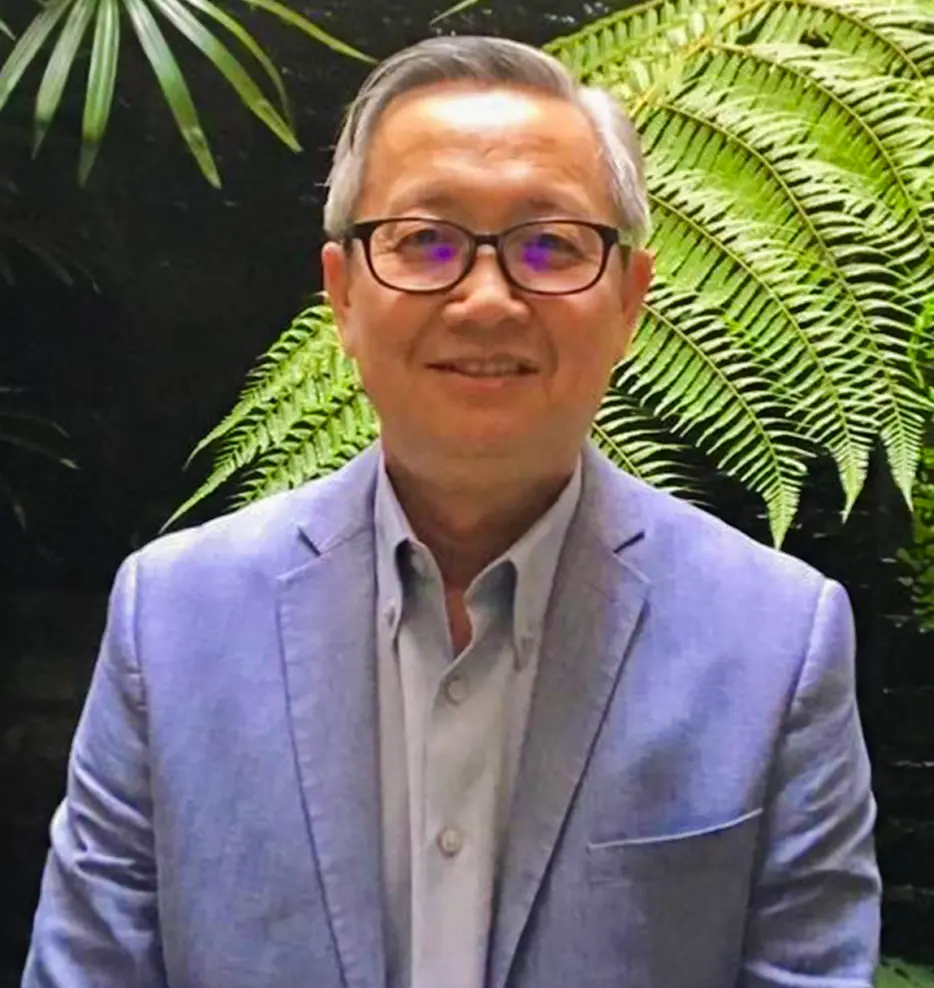
Rev. Ron Hee
Build Churches with the Help of the Holy Spirit
One distinctive of ECCM churches is our emphasis on the work of the Holy Spirit and the practice of spiritual gifts (charismata) such as speaking in tongues, prophecy, healing, and miracles. This emphasis on the work of the Holy Spirit will increasingly be of great importance as we approach the time of the return of the Lord.
The parable of the 10 virgins (Matt 25) tells us about the condition the end-time church: that 50 percent of the virgins or 1 in 2 of our churches are found lacking in oil. Oil is a symbol of the Holy Spirit and an end-time problem with the church of God is the lack of the work of the Holy Spirit in them. We cannot expect revival if we do not actively engage with the Holy Spirit as we build the church of God.
“When Word and Spirit come together, revival will follow” – R.T. Kendall
The church is a spiritual entity. It does not advance through man’s ways but through the supernatural work of God — and that can only be done in the power of the Holy Spirit. While we need to work hard, I believe that spiritual ministry can only be achieved by the power of the Holy Spirit and not by our own strength or ability.
(Zechariah 4:6) “’Not by might nor by power, but by My Spirit,’ says the LORD of hosts.”
Our churches need to be taught to engage with the Holy Spirit. The church was launched with the outpouring of the Holy Spirit. He is our helper and he helps us to build our churches accurately.
Romans 8:26 Likewise the Spirit also helps in our weaknesses. For we do not know what we should pray for as we ought, but the Spirit Himself makes intercession for us with groanings which cannot be uttered.
Here are some ways that we can engage with the Holy Spirit:
1) Be filled with the Spirit
We are filled with the Holy Spirit as we worship him in spirit and in truth.
Ephesians 5:18–19 Do not get drunk on wine, which leads to debauchery. Instead, be filled with the Spirit, (19) speaking to one another with psalms, hymns, and songs from the Spirit. Sing and make music from your heart to the Lord.
2) Pray in tongues
Our churches should be encouraged to pray in tongues always. Paul taught us that praying in tongues will strengthen our spirit man. By praying in tongues, we speak accurate prayers to God.
1 Corinthians 14:2–4 For anyone who speaks in a tongue does not speak to people but to God. Indeed, no one understands them; they utter mysteries by the Spirit. (4) Anyone who speaks in a tongue edifies themselves, but the one who prophesies edifies the church.
Our spirit man must be edified by the Holy Spirit to be strong enough to engage in warfare and overcome the temptations of the flesh and the world. If our spiritual beings are weak, the desire to pray will be lacking so it is important for our church members to be taught to pray in tongues always so that we will be spiritually strong.
3) Be Disciplined in Prayer
For a church to be healthy and growing, the people must be praying. We cannot talk about the importance of prayer and not pray.
Jesus taught us to pray, “Your kingdom come.”
The kingdom of God is brimming with supernatural resources and as we pray, God’s kingdom comes into our realm and supplies the needs that we have.
When I first became a senior pastor, the Lord send me an elder/businessman from a church in Korea and he prayed with me every morning for an hour before I start the day.
This went on for many years but he passed away recently. When I took over the position of principal of Tung Ling seminary, the pandemic hit and I was very concerned about our financial and enrolment. One of my church brothers suggested that we do zoom prayer in the morning and over the 5 years, that sustained me and the Lord provided finance and enrolment and we even got accreditation for the seminary. I still spend the morning in God’s presence every day.
4) Practice the Presence of the Holy Spirit
Another important reason for a healthy, fruitful church is when the church intentionally invites, acknowledges and welcomes the presence of the Holy Spirit into their church activities and into their worship.
Proverbs 3:5–6 Trust in the LORD with all your heart, And lean not on your own understanding; (6) In all your ways acknowledge Him, And He shall direct your paths.
When the ark (which dwelt the presence of God) was welcomed by Obed-Edom, the Lord abundantly blessed him and all his household.
2 Samuel 6:11 The ark of the LORD remained in the house of Obed-Edom the Gittite three months. And the LORD blessed Obed-Edom and all his household.
God’s presence is so significant to Moses in his leadership of the stiff-neck and disobedient church and in the quest of the promised land that was inhabited by fearsome giants; that he told God that he will not go if the presence of God did not accompany them.
Exodus 33:14–15 And He said, “My Presence will go with you, and I will give you rest.” (15) Then he said to Him, “If Your Presence does not go with us, do not bring us up from here.”
God’s presence will overcome giants and mountains that stand in the way of our families, our church and the vision that God has for each and every one of us.
Psalm 97:5 The mountains melt like wax at the presence of the LORD, At the presence of the Lord of the whole earth.
I want to share an experience that happened to me which demonstrated the power of God’s presence in ‘melting’ away spiritual mountains. In one of our mission trips to Japan, I was staying with one of the members in his traditional home in the city of Nara, an ancient capital of Japan. One evening, as I was walking and looking around the house, I passed an elderly gentleman (whom I presumed to be the church member, Haruki’s father), in one of the rooms. Prompted by the Spirit, I took courage and entered the room to talk to Takashima-San and was glad to discover that he was able to speak some English. As I introduced myself, I recalled experiencing God’s tangible presence enveloping us in the room and all cultural, language, religious and racial barriers (mountains) seemed to melt away and he freely shared with me about his life and his concerns and fears. This was rather unusual as we just met but God’s presence was melting all barriers and I was able to pray for him at the end. The presence of God touched him to tears during the prayer and I later found out that he excitedly told his family about his experience and he accepted the Lord into his life. He passed away a couple of years after that and when I last visited Japan, Haruki and his mother, thankful for my part in the salvation of their loved one, took me to visit his gravesite to pay my respects.
This experience taught me that no “barrier/mountain” can stand in the presence of the Lord and it is not man’s ability but God’s presence that can overcome roadblocks and giants in the church and in our families. While I felt the tangible presence of God in that incident, God’s presence is there with us whether we feel him or not because He has promised to never leave us nor forsake us (Matt 28:19–20) and he is eagerly desirous to fellowship with us (Rev 3:20).
Jesus gave us the Great Commission and assured us that He will be with us even to the uttermost parts of the earth.
A healthy church is a church that recognizes and welcomes the presence of the Holy Spirit in all that they do.
5) Use prophetic gifts in ministry
Acts 2:17–18 “’In the last days, God says, I will pour out my Spirit on all people. Your sons and daughters will prophesy, your young men will see visions, your old men will dream dreams. (18) Even on my servants, both men and women, I will pour out my Spirit in those days, and they will prophesy.”
Pray using the word of knowledge, the word of wisdom and the word of discernment. The Holy Spirit speaks directly into the situation directly through a revelation of His word.
In conclusion
ECCM pastors must recognize that they have the most powerful helper in the form of the Holy Spirit to help them build successful churches. We must learn to personally engage the Holy Spirit daily in our lives and we need to teach our church how to walk with the Holy Spirit so that their lives will prosper in body, soul and spirit.
About US
ECC Msia is a fellowship of ministers and churches who are like minded in doctrine, vision, character, values and purpose. We provide the context for biblical accountability amongst ministers and churches.
Mission Statement
ECC Msia exist to promote and nurture relationship amongst member minister and churches, strengthening and equipping them to be more effective in building and multiplying strong churches.
OUR VISION
The vision for ECC Msia is to impact our nation for Jesus Christ through strong local churches by upholding the biblical values with high moral and ethical standard.
– Pastoral Ministry
– Power In Unity
– Perseverance For Renewal
OUR OBJECTIVES
To serve Evangelical Charismatic Churches Malaysia by the 3R as below:
REPRESENTATION
We seek to provide a 'voice' for the indigenous charismatic churches.
RECOGNITION
We provide authentication and lend credibility to churches in this category which is often misunderstood for their 'independence'.
RELATIONSHIP
We seek to provide care, guidance and practical help for its member churches.
Click Here to Register as member of ECCM
Register NowGIVING
Please bank in to:
ECC MALAYSIA BERHAD
Bank Name:
MAYBANK BERHAD
Account No:
512361 142879
We welcome your partneship. ECCM seeks to build strong churches by encouraging and equipping Pastors and Leaders. Your generous giving supports ECCM to continue to serve the local church. Thank You
www.eccmsia.org | HP: 010-2106011